Blog
Articles, research insights, and perspectives from the Learnology Labs team on early mathematics, learning science, and AI in education.
Get Ready for Kindergarten with PAL: Free Webinars for Palm Beach County Families
Join us for an introduction to PAL, a simple and fun way to support your child's math learning this summer as they get ready for kindergarten. Free and open to all Palm Beach County families whose child will start kindergarten in fall 2026.
Learning Science Meets Product Innovation — Eduvation Podcast
Dr. Anastasia Betts joins the Eduvation podcast to discuss how learning science principles can drive EdTech product innovation, the future of AI in education, and what it means to build evidence-based learning experiences that truly engage learners.
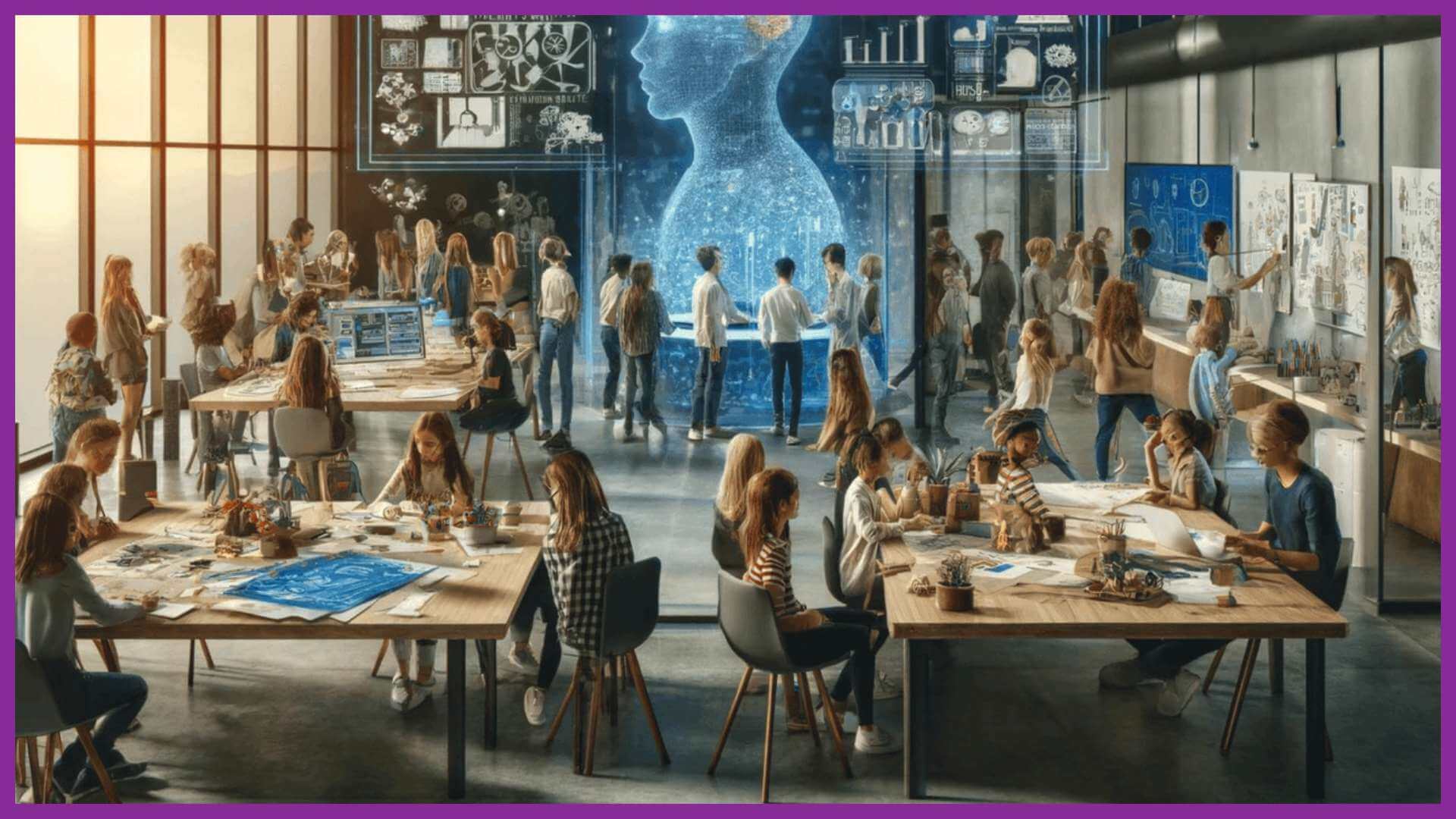
The Human Intelligence Imperative: Preparing STEM Learners for an AI-Driven Future
As AI takes over routine computational tasks, the role of human intelligence in STEM becomes more crucial than ever. Education must prioritize the uniquely human capabilities that complement and enhance work with AI systems.
The Meter of Mathematics — The Detour Degree Podcast
Like rhythm in a song, early math lays the foundation for everything that follows. Dr. Anastasia Betts joins Nneka McGee on The Detour Degree podcast to explore how one innovative initiative is helping young learners find their flow with numbers.
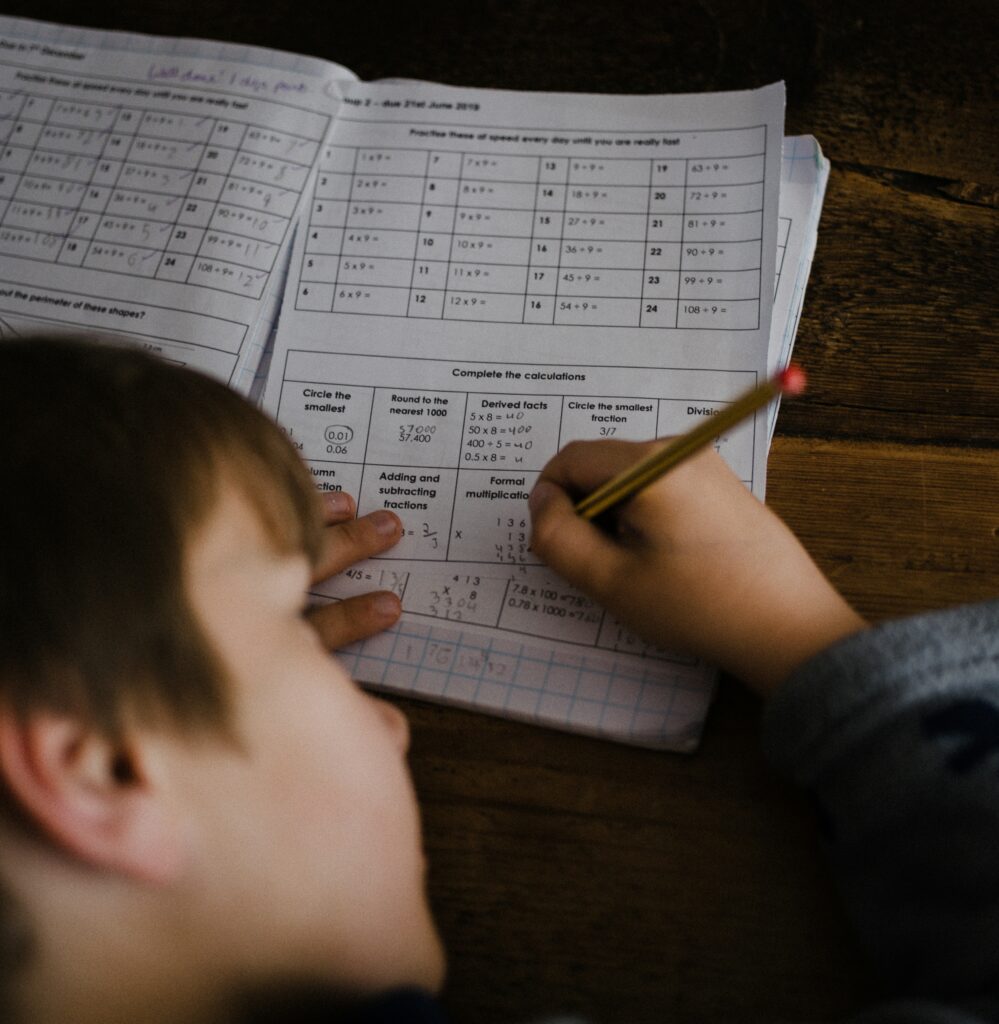
The AI Mirror: How GenAI Reflects and Amplifies Gaps in Early Math Expertise
After over a thousand hours working with large language models on early math content, a clear pattern emerged: AI doesn't invent mathematical misconceptions — it faithfully reflects and amplifies the ones already embedded in our educational ecosystem.
Beyond the False Binary: How Transparent AI Partnerships Can Enhance Knowledge Building and Teacher Agency
Moving past the either/or framing of AI in education — why transparent partnerships that preserve teacher agency are essential for knowledge building and effective AI integration.
The Expertise Gap: AI Partnerships in Early Mathematics Education
AI can be a powerful thought partner — but only when the human brings real expertise. In early math education, that expertise gap has serious consequences for how teachers and parents use AI tools.
What I Wish You Understood About Math Before Kindergarten
Prevention doesn't start in school — it starts at home. A spoken word reflection on the early math foundations that shape children's relationship with numbers, patterns, and problem-solving for life.
Human-AI Partnerships in Education: Entering the Age of Collaborative Intelligence
The future belongs to those who can effectively partner with AI. A framework from distributed cognition shows how educators and AI can create learning systems greater than the sum of their parts.
Learning vs. Mastery: Rethinking 'Smart' Learning Systems for Optimal Growth
The tension between verifying mastery and maximizing learning growth isn't a binary choice — it's a dynamic balancing act. Drawing on Bloom and Vygotsky, this article proposes a new direction for AI-powered learning systems.
Reimagining Education: How Knowledge Models and AI Can Help Teachers Address the Learner Variability Challenge
Why do we still struggle to provide effective, personalized education at scale? The answer lies in the disconnect between standards-based practice and what learning science tells us — and in the potential of granular knowledge models and AI to bridge that gap.
The Path to AI-Driven Learning: Building Critical Knowledge Infrastructure
Why do we still lack comprehensive knowledge models for education despite advances in cognitive science and AI? A closer look at the complexity involved — and the investment required — to build the infrastructure for truly personalized learning.
The Knowledge Model Imperative: Why Human Expertise is Essential for AI in Education
Three widespread misconceptions risk oversimplifying educational AI: equating standards with knowledge models, assuming such models already exist, and believing LLMs can generate them. Human expertise remains irreplaceable.